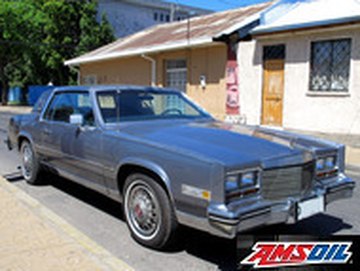
Lubrication Maintenance for the 1982 Cadillac ELDORADO 5.7L Diesel
Maintaining a diesel engine requires a disciplined approach to fluid management and routine inspections. For the 1982 Cadillac ELDORADO equipped with the 5.7L diesel powerplant, consistent attention to lubrication quality and system integrity is a fundamental aspect of long-term ownership. Because diesel engines operate under different thermal and mechanical stresses than gasoline counterparts, following a structured maintenance plan helps ensure the engine remains in optimal condition.
Monitoring Fluid Integrity and Condition
A primary component of routine service involves observing the physical state of the engine oil. While regular changes are necessary, the condition of the lubricant between services can provide useful information about the engine's current state. When checking the oil level or inspecting the fluid, look for any significant changes in color, consistency, or odor.
If the oil appears excessively dark or contains visible particulates, it may indicate that the lubricant is reaching the end of its effective service life or that the filtration system requires attention. Furthermore, if you notice a change in the texture of the oil, such as a milky appearance, this warrants immediate investigation, as it can be associated with various internal fluid interactions. Monitoring these subtle changes allows for proactive maintenance rather than reactive repairs.
Observing Potential Warning Signs
Identifying issues early can prevent more significant mechanical complications. Owners should remain vigilant for several indicators that suggest the lubrication system or related components require professional inspection:
- Visible Seepage: Regularly inspect the area around the engine for any signs of fluid leakage. Even small amounts of seepage on gaskets or seals should be monitored to ensure they do not escalate into active leaks.
- Unusual Noises: Any new or persistent mechanical sounds during engine operation can be associated with lubrication deficiencies or component wear. These should be investigated promptly.
- Changes in Consumption: If you find that the oil level is dropping more rapidly than previously observed, it may indicate an increase in lubricant consumption. Tracking how much oil is added between service intervals helps establish a baseline for normal operation.
- Warning Indicators: Any illumination of dashboard warning lights related to engine operation should be treated with priority and addressed by a qualified technician.
It is important to remember that these symptoms can have multiple causes. A single observation, such as an odor or a minor leak, does not definitively diagnose a specific failure but serves as a signal that the vehicle's condition warrants closer scrutiny.
Systematic Inspection of Engine Components
Beyond the oil itself, a comprehensive maintenance approach includes inspecting the various components that support engine operation. For a vehicle of this age, focusing on the condition of aging materials is a practical way to prioritize service tasks.
If equipped, inspect accessible drive belts for signs of deterioration such as cracking, glazing, or fraying. Similarly, if present, examine various hoses for any evidence of softening, swelling, or surface cracks. Maintaining these peripheral components helps ensure that the engine operates within its intended parameters and prevents unexpected downtime.
Electrical connections and wiring harnesses should also be inspected for signs of corrosion or heat-related damage. Ensuring that all electrical connectors are secure and clean is vital for the proper functioning of sensors and other engine management components. This level of detail in routine inspections helps build a clearer picture of the vehicle's overall mechanical health.
Prioritizing Long-Term Maintenance Decisions
As vehicles age, maintenance strategies often shift from strictly following a schedule to managing the actual condition of the machine. For the 1982 Cadillac ELDORADO, effective long-term ownership involves distinguishing between necessary preventive maintenance and unnecessary component replacement.
One of the most effective ways to manage an older vehicle is to establish a reliable maintenance baseline. If service records are incomplete or unavailable, begin by documenting all current fluid levels, filter ages, and any observed leaks or noises. This documentation creates a history that can be used to track changes over time. When records are present, reviewing previous repairs can help identify patterns and prioritize which areas of the engine require the most frequent monitoring.
Rather than assuming parts must be replaced simply because of the vehicle's age, focus on condition-based maintenance. Address active leaks or significant changes in fluid behavior first, then move toward routine preventive tasks. This methodical approach ensures that resources are directed toward the most impactful maintenance activities.
The Role of Effective Lubrication
Engine oil performs several vital roles that are essential to the operation of a diesel engine. It acts as a primary medium for reducing friction between moving parts, which is critical for managing the mechanical loads inherent in diesel combustion. Beyond lubrication, the oil also plays a role in heat management by helping to carry thermal energy away from high-temperature areas within the engine.
Furthermore, the lubricant helps to suspend and carry away microscopic contaminants, preventing them from accumulating as sludge or deposits. Maintaining clean, high-quality oil is therefore not just about reducing wear, but also about protecting the internal environment of the engine from the buildup of harmful substances that can affect long-term performance.
Practical Guidance for Buying Engine Oil for your 1982 Cadillac ELDORADO 5.7L
When it is time to replenish your engine's lubricant, selecting a product that aligns with the specific requirements of your diesel engine is essential. To ensure you are using the correct product, always match the engine oil to the application-specific viscosity information already displayed on this webpage.
As you shop for lubricants, keep the following practical tips in mind:
- Verify Product Labels: Always check the physical container to ensure the SAE viscosity and service classifications match your requirements.
- Consider Formulations: Depending on your engine's current condition and mileage, you may encounter various options such as conventional, synthetic blends, or full synthetic oils. Some high-mileage oil formulations contain additives intended for use in aging engines, including seal-conditioning additives that may be beneficial for older seals.
- Check Certifications: Ensure the oil meets the appropriate API service categories for diesel applications to guarantee it provides the necessary protection and deposit control.
By following the specific application data provided on this page and verifying all product specifications before purchase, you can ensure that your 1982 Cadillac ELDORADO receives the correct lubrication for continued operation.